
Best Practices for Online Tuition for Primary School Kids
Effective online tuition for primary kids needs structured schedules, interactive tools, and parental involvement. Learn proven strategies for success.
| Topic | Online Tuition |
|---|---|
| Focus | online tuition |
| Read time | 5 min |
| Words | 906 |
| Published | 7 Oct 2026 |
| Best for | Parents & students |
Online Tuition for Primary Kids: Keep Sessions Short, Structured, and Interactive
Online tuition for primary school kids works best with consistent schedules, age-appropriate interactive tools, and regular parent-tutor communication. The key is matching the format to how young learners actually focus—which means shorter sessions, visual engagement, and frequent breaks.
Why Session Length Matters for Young Learners
The 30–45 Minute Sweet Spot
Primary school children (Classes 1–5) have shorter attention spans than older students. A 30–45 minute session, held 2–3 times per week, is far more effective than a single 90-minute class. This rhythm prevents fatigue, keeps energy high, and gives kids time to absorb concepts without overwhelming them. Shorter, frequent sessions also allow tutors to revisit topics and build confidence incrementally.
Setting Up the Right Learning Environment
Technology and Space Essentials
A stable internet connection (ideally 4+ Mbps), a laptop or tablet with a working camera and microphone, and a quiet, dedicated study space are non-negotiable. Headphones reduce ambient noise and help kids hear the tutor clearly. Ensure the study desk is at eye level with the screen to avoid posture strain during long sessions.
Minimizing Distractions
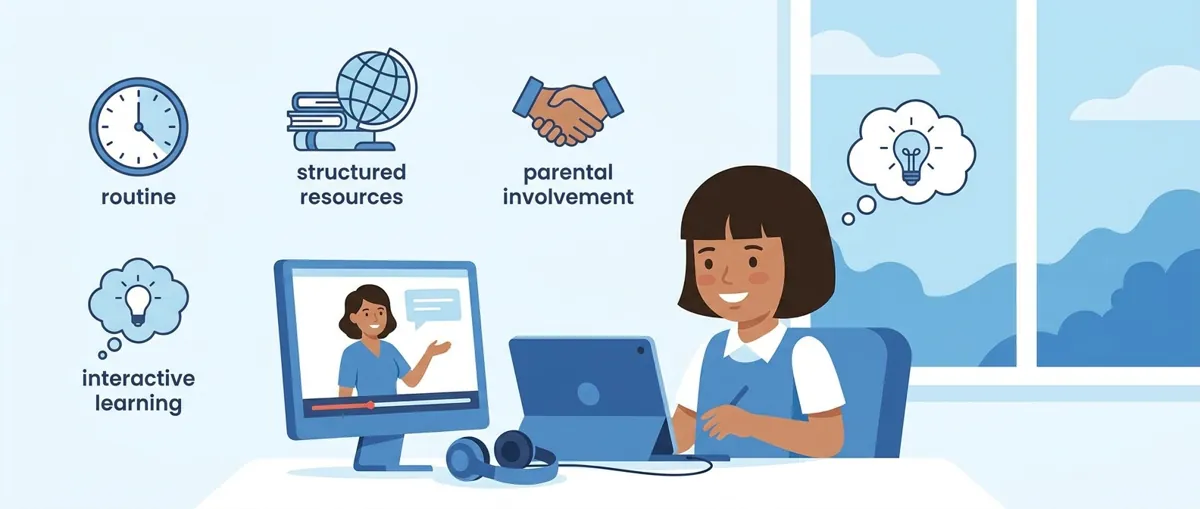
Close unnecessary browser tabs, silence notifications, and keep toys or other devices out of reach. A clutter-free desk helps primary kids stay focused on the lesson. Set a consistent time for classes—routine helps young learners prepare mentally.
Interactive Tools and Teaching Methods
Visual and Hands-On Learning
Primary kids learn best through visuals, animations, and interactive elements. Use digital whiteboards, screen-sharing, and educational apps that let kids click, drag, and participate actively. Avoid long lectures; instead, break lessons into short explanations followed by interactive activities or simple quizzes.
Gamification and Rewards
Incorporate simple games, point systems, or achievement badges to keep motivation high. Positive reinforcement—praise for effort, not just correct answers—builds confidence and encourages kids to attempt challenging problems.
Parental Involvement and Communication
Should Parents Sit In During Classes?
For Classes 1–3, parental presence is beneficial. Parents can help manage behaviour, ensure the child is following along, and reinforce learning after class. From Class 4 onwards, kids can often work more independently, but parents should remain available nearby for support. Regular check-ins between parent and tutor—weekly or bi-weekly—help track progress and address concerns early.
Feedback and Progress Tracking
Request written feedback from the tutor after each session or weekly. Ask about strengths, areas needing work, and homework tips. This keeps you informed and helps you support your child's learning at home. A shared progress tracker or simple report card helps everyone stay aligned on goals.
Curriculum Alignment and Homework Strategy
Staying in Sync with School
Ensure the tutor knows your child's school curriculum (CBSE, state board, or international). Lessons should complement—not duplicate—what's taught in school. This prevents confusion and makes tuition a genuine support tool rather than repetition.
Balancing Tuition and Independent Work
Online tuition should not replace independent practice. After each session, assign 15–20 minutes of homework that reinforces the lesson. This builds retention and develops study habits. Avoid overloading; primary kids need time to play and rest.
Consistency and Routine
Fixed Schedule Benefits
Consistency matters more than intensity for young learners. A fixed day and time each week helps kids mentally prepare and builds discipline. Avoid frequent cancellations or rescheduling, as it disrupts routine and signals that tuition is optional.
Monitoring Engagement and Adjusting
Signs Your Child Is Engaged
Look for active participation, asking questions, and willingness to attend sessions. If your child seems bored, distracted, or resistant, discuss it with the tutor. Sometimes a change in teaching style, topic, or session time can reignite interest.
When to Reassess
After 4–6 weeks, review progress against initial goals. Is your child more confident in the subject? Are grades improving? Are homework struggles reducing? If not, it may be time to adjust the tutor's approach, increase session frequency, or explore a different tutor.
Common Pitfalls to Avoid
Too Many Sessions Too Soon
Starting with 4–5 sessions per week can overwhelm primary kids. Begin with 2 sessions and scale up only if needed. Quality beats quantity.
Neglecting Non-Academic Factors
A great tutor isn't just knowledgeable—they're patient, encouraging, and able to build rapport with young kids. Technical skill matters less than the ability to make learning fun and safe.
Ignoring the Child's Feedback
If your child consistently says they don't like the tutor or the subject, listen. Sometimes a personality mismatch or teaching style difference is the real issue, not the child's ability.
Why EZ Tuitions Works for Primary Online Tuition
At EZ Tuitions, we match primary school kids with tutors who understand child development and online pedagogy. Our tutors in Delhi NCR (Noida, Gurugram, Delhi) are trained in interactive, age-appropriate teaching methods and maintain regular communication with parents. Whether your child needs support in Math, English, or Science, we tailor sessions to fit your family's schedule and your child's learning pace. Learn how to choose the right tutor for your child or explore our online vs. offline tuition comparison to find what works best for your family.
Final Takeaway
Best practices for online tuition for primary school kids boil down to three pillars: short, consistent sessions with clear structure; interactive, visual teaching methods that match how young kids learn; and strong parent-tutor communication to track progress and adjust as needed. Start small, stay consistent, and prioritize engagement over volume. With the right setup and tutor, online tuition can be a powerful tool to build your child's confidence and academic foundation.
Frequently asked questions
- Should Parents Sit In During Classes?
- For Classes 1–3, parental presence is beneficial. Parents can help manage behaviour, ensure the child is following along, and reinforce learning after class. From Class 4 onwards, kids can often work more independently, but parents should remain available nearby for support.
- When to Reassess?
- After 4–6 weeks, review progress against initial goals. Is your child more confident in the subject? Are grades improving? Are homework struggles reducing? If not, it may be time to adjust the tutor's approach, increase session frequency, or explore a different tutor.
- Why EZ Tuitions Works for Primary Online Tuition?
- At EZ Tuitions , we match primary school kids with tutors who understand child development and online pedagogy. Our tutors in Delhi NCR (Noida, Gurugram, Delhi) are trained in interactive, age-appropriate teaching methods and maintain regular communication with parents.
Related articles
- Is Online Tuition Effective for Primary School Children? A Parent's Guide
- Online Tuition vs Offline Tuition: Pros and Cons for CBSE Students
- Unlock Online Home Tuition Jobs: Your Guide to Success
- Ace Class 8 with Ease: Your Guide to Online Tuition Class 8
- Ace Your Exams with Expert Online Tuition in India
Explore related tuition services: online tuition · CBSE tuition · home tuition