
How to Assess a New Student's Learning Level in the First Class
Assess a new student's learning level in the first class using observation, diagnostic questions, and practical tasks. Learn proven methods for tutors.
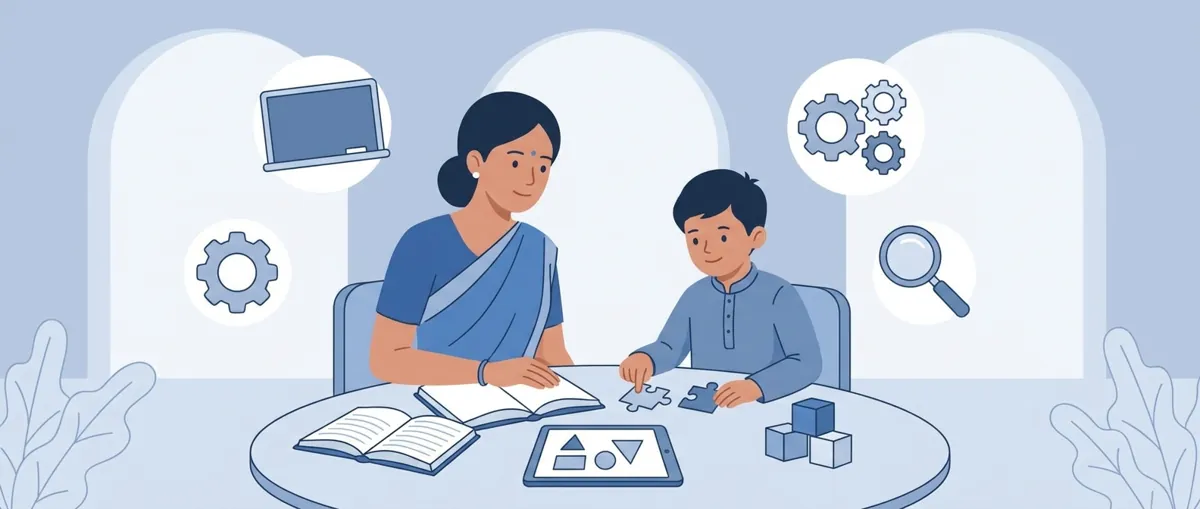
| Topic | Teaching Jobs |
|---|---|
| Focus | student-assessment |
| Read time | 5 min |
| Words | 1075 |
| Published | 8 Oct 2026 |
| Best for | Tutors & teachers |
The Best Way to Assess a New Student in the First Class
The best way to assess a new student's learning level in the first class is through a mix of informal observation, targeted diagnostic questions, and practical problem-solving tasks—not formal tests. This approach builds trust, reveals how a student thinks, and gives you the real information you need to personalize your teaching from day one.
Why Formal Testing Doesn't Work in the First Class
Anxiety Blocks Accurate Assessment
When a student walks into a tuition class for the first time, they're already nervous. A formal test amplifies that anxiety and forces them into "exam mode," which doesn't show how they actually learn or think. They may freeze, rush, or perform worse than their real ability. A conversational, low-pressure environment reveals their genuine strengths and gaps.
You Miss the Learning Process
A test score tells you if an answer is right or wrong, but not *how* the student arrived at it, where they got stuck, or what misconceptions they hold. By observing and asking follow-up questions, you see their reasoning, problem-solving approach, and confidence level—far more useful for planning lessons.
Key Areas to Assess in the First Class
Foundational Concepts and Prior Knowledge
Ask the student to explain a concept they've already studied—for example, "Tell me what you know about fractions" or "How would you describe photosynthesis?" Listen for gaps, misconceptions, or solid understanding to determine whether they have the building blocks needed for new topics.
Problem-Solving Approach and Confidence
Give them an unfamiliar but age-appropriate problem and ask them to think aloud. Do they start immediately or hesitate? Do they try multiple approaches or give up? Do they check their work? Their approach reveals whether they're confident, how easily they panic, and how independent they are.
Communication and Explanation Skills
Ask them to explain their thinking: "Why did you choose that answer?" or "Walk me through how you solved this." Can they articulate their ideas? Do they use mathematical or scientific language correctly? Poor communication often masks solid understanding, and strong communication helps you teach more effectively.
Reading Comprehension and Attention to Detail
Give them a word problem or passage and ask them to summarize or answer questions about it. Do they miss key details? Do they read carefully or skim? Many learning struggles stem from weak reading skills, so identifying this early is critical.
Learning Preferences and Personality
Observe whether the student is visual, auditory, or kinesthetic. Do they prefer working alone or discussing? Are they methodical or intuitive? Are they motivated by grades, understanding, or something else? These insights help you tailor your teaching style to match how they learn best.
Practical Assessment Techniques for the First Class
Open-Ended Diagnostic Questions
Ask questions that invite explanation, not just yes/no answers. Examples: "What's the hardest topic you've studied so far?" "How do you usually prepare for exams?" "What does a good explanation look like to you?" These reveal self-awareness, confidence, and learning habits.
Observation During Problem-Solving
Present a problem slightly above their current level and watch how they engage. Do they ask clarifying questions? Do they try different strategies? Do they get frustrated or stay curious? Their behavior under mild challenge shows their resilience and learning mindset.
The "Explain Your Work" Technique
After a student solves a problem, always ask them to explain their reasoning. This reveals whether they truly understand or just memorized a procedure and helps you identify exactly where misconceptions live.
Review Recent Schoolwork
Ask the student to bring a recent test, assignment, or notebook. Look at the types of errors they make—careless mistakes, conceptual misunderstandings, or procedural errors? This gives you a quick window into their strengths and specific areas needing support.
Should You Give a Formal Test in the First Tutoring Class?
No. A formal test creates anxiety and doesn't reveal how a student thinks or learns. Instead, use conversation, observation, and informal problem-solving to build rapport while gathering information about their level. Save formal assessments for later, once you've built trust and understand their baseline.
What Are the Key Areas to Assess in the First Class?
Assess foundational concepts, problem-solving approach, reading comprehension, ability to explain ideas, confidence level, and learning preferences. This gives you a complete picture of where they stand and how to teach them effectively.
How Do You Identify Learning Gaps Without Formal Testing?
Ask open-ended questions, listen to their reasoning, observe how they tackle unfamiliar problems, and note where they hesitate or make mistakes. Gaps become clear through dialogue and practical tasks. Follow-up questions like "Why did you do it that way?" or "What would happen if...?" expose gaps quickly.
Turning Assessment Into Action
Document Your Observations
After the first class, write down what you noticed: strengths, gaps, learning style, confidence level, and any red flags like anxiety, weak reading skills, or low motivation. This becomes your baseline for measuring progress.
Communicate With Parents
Share your initial assessment with parents constructively. Highlight strengths first, then explain the gaps you've identified and how you'll address them. This sets realistic expectations and builds confidence in your tutoring approach.
Customize Your Lesson Plan
Use your assessment to personalize the curriculum. If a student struggles with foundational concepts, slow down and build those first. If they're ahead, challenge them appropriately. If they're visual learners, use diagrams and videos. Personalization is what makes home tuition and online tuition effective.
Why This Matters for Tutors in Delhi NCR and Beyond
Whether you're offering home tuition in Noida, Gurugram, or Delhi, or teaching online tuition to CBSE students, accurate assessment in the first class sets the tone for the entire tutoring relationship. Students who feel understood and supported from day one are more engaged, more likely to improve, and more likely to continue with you. Parents see faster results because your teaching is targeted, not generic.
The first class is your opportunity to gather intelligence, build rapport, and show the student that you care about *their* learning, not just delivering a lesson. This is what separates great tutors from average ones.
Key Takeaways
Assess a new student's learning level through observation, diagnostic questions, and practical problem-solving—not formal tests. Focus on foundational concepts, problem-solving approach, communication skills, reading comprehension, and learning preferences. Ask open-ended questions, listen actively, and take notes. Use your first-class assessment to customize your teaching and communicate progress to parents. This approach builds trust, reveals real learning needs, and sets the foundation for effective, personalized tutoring.
Frequently asked questions
- Should You Give a Formal Test in the First Tutoring Class?
- No. A formal test creates anxiety and doesn't reveal how a student thinks or learns. Instead, use conversation, observation, and informal problem-solving to build rapport while gathering information about their level.
- What Are the Key Areas to Assess in the First Class?
- Assess foundational concepts, problem-solving approach, reading comprehension, ability to explain ideas, confidence level, and learning preferences. This gives you a complete picture of where they stand and how to teach them effectively.
- How Do You Identify Learning Gaps Without Formal Testing?
- Ask open-ended questions, listen to their reasoning, observe how they tackle unfamiliar problems, and note where they hesitate or make mistakes. Gaps become clear through dialogue and practical tasks.
- Why This Matters for Tutors in Delhi NCR and Beyond?
- Whether you're offering home tuition in Noida, Gurugram, or Delhi , or teaching online tuition to CBSE students , accurate assessment in the first class sets the tone for the entire tutoring relationship.
Related articles
- How Tutors Can Build Trust with Parents and Students
- How to Give Effective Feedback to Students as a Tutor
- How to Plan a One-Hour Home Tuition Session: A Step-by-Step Guide
- How to Teach Maths to a Child Who Fears It: Practical Strategies for Parents & Tutors
- How to Give Effective Feedback to Students: A Guide for Tutors
Explore related tuition services: home tuition · online tuition