
How to Learn Multiplication Tables Fast for Kids: Proven Methods & Tips
Learn multiplication tables fast with proven methods: rhythm, patterns, visual aids & daily practice. Perfect for CBSE kids in Delhi NCR.
| Topic | Exam Prep |
|---|---|
| Focus | multiplication tables |
| Read time | 4 min |
| Words | 864 |
| Published | 9 Sep 2026 |
| Best for | Parents & students |
The Fastest Way to Learn Multiplication Tables
The fastest way to learn multiplication tables is through rhythm, pattern recognition, and consistent 10-minute daily practice sessions. Most kids master tables 1–12 in 4–8 weeks using structured methods rather than passive memorization.
Why Multiplication Tables Matter for Kids
Multiplication tables are the foundation of mental maths, problem-solving, and confidence in classroom learning. Children who learn tables early find division, fractions, and algebra significantly easier. For CBSE students in Delhi NCR, strong table knowledge directly supports performance in Grades 3–5 maths assessments.
Proven Methods to Learn Multiplication Tables Fast
1. Rhythm and Chanting
Children remember rhythmic patterns naturally. Teach tables using a sing-song tone or clap along with each multiplication fact. Many kids retain "2 × 3 = 6" faster when it's chanted to a familiar tune. Spend 5 minutes daily on rhythm-based practice—this engages auditory memory and makes learning feel playful rather than like a chore.
2. Visual Patterns and Arrays
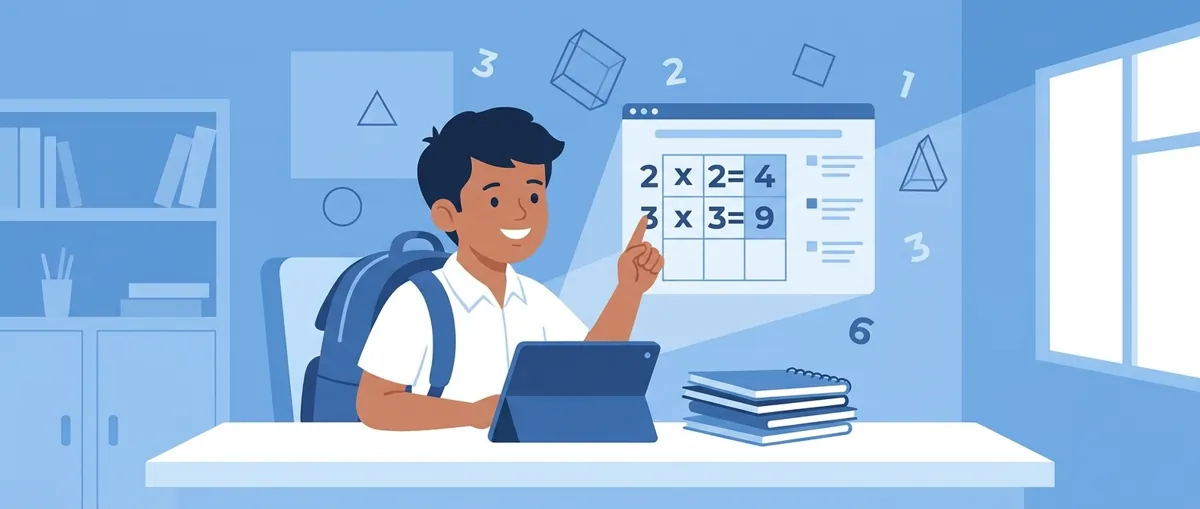
Show multiplication as visual groups. For example, 3 × 4 = 12 becomes three rows of four dots. Use graph paper, counters, or even arrange toys in rows. Children who see patterns visually (rather than just hearing numbers) often learn faster and retain longer. This method works especially well for visual learners.
3. Skip Counting
Start with the 2s table: count 2, 4, 6, 8, 10… Then move to 5s, 10s, and so on. Skip counting is a natural bridge from addition to multiplication. It helps kids understand that 3 × 5 means "skip count by 5, three times." Practice skip counting during walks or car rides for informal reinforcement.
4. Daily Short Practice Sessions
Ten minutes of focused practice beats one hour of scattered effort. Use a timer and focus on one or two tables per session. Rotate between tables to prevent boredom. Consistency matters more than duration—daily practice for 4–6 weeks will produce better results than cramming.
5. Games and Interactive Tools
Multiplication games, flashcards, and apps turn learning into play. Online tools allow kids to compete against themselves and see progress instantly. Many children find gamified learning less intimidating and more motivating than traditional drills.
Frequently Asked Questions
What is the fastest way to learn multiplication tables?
Combine rhythm-based chanting, visual pattern recognition, and 10-minute daily practice. Most children grasp tables 1–12 in 4–8 weeks using this multi-sensory approach rather than rote memorization alone.
At what age should kids start learning multiplication tables?
Children typically begin learning multiplication tables in Grade 2–3 (around age 7–8) after mastering addition and subtraction. Earlier exposure through games is fine, but formal learning usually starts here.
How can I help my child if they struggle with times tables?
Use hands-on tools like counters or arrays, break practice into 5–10 minute sessions, celebrate small wins, and avoid pressure. If struggles persist beyond 8–10 weeks, consider personalized home tuition to identify gaps.
Tips for Parents and Tutors
Create a Positive Learning Environment
Avoid pressure or negative language. Praise effort, not just correct answers. If a child feels anxious about maths, they'll resist practice. Make it clear that mistakes are part of learning. A relaxed, supportive approach accelerates progress.
Use Real-World Context
Connect tables to everyday situations. "If one chocolate costs ₹5, how much do 3 chocolates cost?" This context makes abstract numbers meaningful and shows why multiplication matters.
Track Progress Visually
Use a chart or checklist where kids tick off tables they've mastered. Visible progress is motivating and helps children see how far they've come.
Combine Methods
No single method works for all children. Blend rhythm, visuals, skip counting, and games. Observe which approach resonates with your child and emphasize that method while reinforcing others.
Common Mistakes to Avoid
Rushing the process: Trying to learn all 12 tables in one week leads to shallow retention. Spread learning over 4–8 weeks for deeper understanding.
Relying only on memorization: Kids who memorize without understanding often forget quickly or struggle when tables are applied in word problems. Always connect facts to visual or real-world meaning.
Inconsistent practice: Sporadic practice is ineffective. Daily 10-minute sessions beat occasional long sessions.
Ignoring learning style: Some kids are auditory learners, others visual. Tailor your approach to your child's strengths.
When to Seek Professional Help
If your child has practiced consistently for 8–10 weeks and still struggles, it may signal an underlying learning gap or maths anxiety. Home tuition can provide personalized assessment and targeted support. In Delhi NCR areas like Noida and Gurugram, experienced tutors can diagnose specific challenges and adapt teaching methods accordingly.
Choosing the right tuition support early prevents frustration and builds confidence in maths. Many children who initially struggled with tables go on to excel in higher maths with proper guidance.
Summary: Your Action Plan
Start with one table (typically 2s or 5s), use rhythm and visuals together, practice 10 minutes daily, and celebrate progress. Rotate through tables, keep sessions fun, and be patient. Most children learn tables 1–12 in 4–8 weeks with consistent, multi-sensory practice. If progress stalls, professional home or online tuition can unlock faster learning.
Remember: the goal isn't just memorization—it's building number sense and confidence that will support your child's maths journey for years to come.
Frequently asked questions
- Why Multiplication Tables Matter for Kids?
- Multiplication tables are the foundation of mental maths, problem-solving, and confidence in classroom learning. Children who learn tables early find division, fractions, and algebra significantly easier.
- What is the fastest way to learn multiplication tables?
- Combine rhythm-based chanting, visual pattern recognition, and 10-minute daily practice. Most children grasp tables 1–12 in 4–8 weeks using this multi-sensory approach rather than rote memorization alone.
- At what age should kids start learning multiplication tables?
- Children typically begin learning multiplication tables in Grade 2–3 (around age 7–8) after mastering addition and subtraction. Earlier exposure through games is fine, but formal learning usually starts here.
- How can I help my child if they struggle with times tables?
- Use hands-on tools like counters or arrays, break practice into 5–10 minute sessions, celebrate small wins, and avoid pressure. If struggles persist beyond 8–10 weeks, consider personalized home tuition to identify gaps.
- When to Seek Professional Help?
- If your child has practiced consistently for 8–10 weeks and still struggles, it may signal an underlying learning gap or maths anxiety. Home tuition can provide personalized assessment and targeted support .
Related articles
- How to Write a Perfect English Essay for School Exams
- How to Solve Quadratic Equations Step by Step for Class 10
- How to Memorise the Periodic Table for CBSE Class 10
- How to Improve Handwriting for Primary School Students: Practical Tips & Exercises
- How to Improve English Grammar for School Students: Practical Tips & Strategies
Explore related tuition services: maths tuition · CBSE tuition